What P.L. 119-37 Means for NC Consumers: Your 2026 Guide
This article is for informational purposes only and does not constitute legal, medical, or product advice. Consult a qualified professional for guidance specific to your situation.
The hemp products most Triangle shoppers reach for today, the THCa flower, the delta-8 carts, the 10mg gummies, lose federal hemp status on December 11, 2026. That part of the headlines is true. The rest is more specific than the panic suggests, and it affects you as a buyer differently than it affects the shop you buy from.
A federal law called P.L. 119-37 rewrites what counts as legal hemp. A narrow piece starts November 12, 2026; the part that reaches nearly everything on the shelf starts December 11, 2026. It doesn't make a THC-free CBD routine illegal, and Congress could still move the date. But it has no grandfather clause for products you already own, and it will change what you can walk in and purchase.
This guide answers the questions actual shoppers are asking. What is going away? What stays? Is it still legal to buy right now? Should you stock up? And where do you find compliant products in the Triangle once the rules change? For the full statutory breakdown, see our NC hemp law update. If you run a shop rather than browse one, read the dispensary preparation playbook instead.
Update, October 10, 2026: The delay is law, and nothing since has changed it. The President signed H.R. 6500 on September 2, 2026, and it became Public Law 119-103, after the Senate passed it 90-6 on August 8 and the House agreed to the Senate's version 370-48 on September 1. Its Section 2019 splits the P.L. 119-37 hemp rewrite across two dates. On November 12, 2026, one narrow piece takes effect: intermediate and final products containing cannabinoids that a Cannabis sativa L. plant cannot naturally produce. Everything else waits until December 11, 2026 (Section 2019, enrolled text). That remainder is the part that reaches the shelf: the 0.3 percent total-THC test that counts THCa, the exclusion for cannabinoids the plant can make but that were synthesized outside it (which is where delta-8 made from CBD falls), and the 0.4mg total-THC-per-container cap that reaches nearly every gummy, tincture, and vape. December 11 is also the day the stopgap funding law runs out, so Congress could still move the date in its next funding bill; as of this update it has not. Our NC hemp bill tracker follows what happens next, and our December 11 report counts what the change reaches across Triangle shops.
- Starting December 11, 2026, P.L. 119-37 caps finished hemp products at 0.4mg total THC per container, which the U.S. Hemp Roundtable estimates removes roughly 95% of today's products (Frier Levitt, 2026).
- THCa flower, delta-8, and standard THC gummies are affected. CBD isolate, broad-spectrum CBD, and CBN or CBG products that test under 0.4mg total THC per container remain.
- Hemp products are legal to buy and use until the date that applies to them. The law has no grandfather clause, and the Congressional Research Service notes that non-compliant products left on the market could face "the same criminal and collateral issues as marijuana" (CRS, 2025).
What Is P.L. 119-37 and When Does It Take Effect?
P.L. 119-37 is the federal appropriations law signed November 12, 2025 (Congressional Research Service, 2025). Section 781 of the law changes how the government measures THC in hemp. A later funding law, P.L. 119-103, split its start date: a narrow piece covering cannabinoids the plant cannot naturally produce begins November 12, 2026, and everything else described below begins December 11, 2026 (Section 2019, enrolled text). There is no grace period and no exemption for products already made.
Two changes matter for what you can buy. First, the law now counts total THC instead of just delta-9 THC. The 2018 Farm Bill measured only delta-9 in the raw plant. The new rule counts everything: delta-9, THCa, delta-8, delta-10, and similar compounds. That's the change that pulls so many products over the line. For raw material, the formula is (THCa times 0.877) plus the delta variants, and the result has to stay at or below 0.3 percent by dry weight.
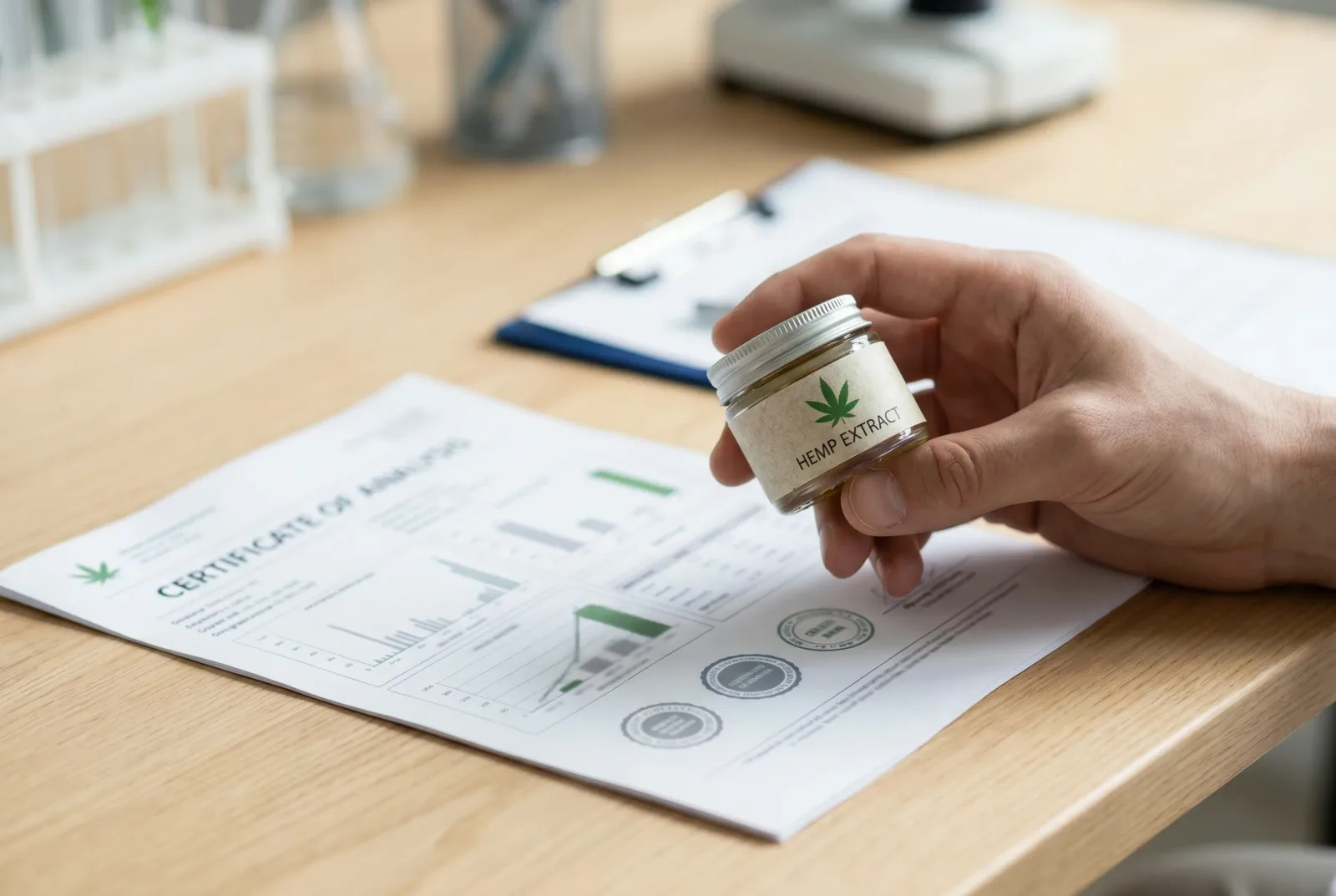
Second, finished products face a hard ceiling of 0.4 milligrams of total THC per container (Frier Levitt, 2026). Read that again, because it trips up almost everyone. The limit is per container, not per serving and not per gummy. A typical hemp gummy holds 5 to 10mg of THC. The new federal limit for the entire bottle is 0.4mg.
In plain terms: P.L. 119-37, enacted in late 2025, replaces the delta-9-only standard with a total-THC standard and adds a 0.4mg-per-container cap on finished hemp products, both effective December 11, 2026, a threshold the industry says most intoxicating products cannot meet (Frier Levitt, 2026). Anything over the limits loses its hemp status and becomes a controlled substance under federal law.
Which Hemp Products Will Disappear, and Which Stay?
An estimated 95 percent of the hemp-derived cannabinoid products on the market today become non-compliant on December 11, 2026, and roughly 90 percent of full-spectrum CBD products also exceed the new container cap (Frier Levitt, 2026). The split between what goes and what stays is cleaner than you might expect.
The math explains the cutoff. THCa flower tests at 20 to 30 percent THCa, which converts to roughly 60 to 90 times the legal total-THC limit. A single 5mg edible blows past the 0.4mg-per-container cap by more than 12 times. Delta-8 used to slip through because the old rule only counted delta-9, but the new definition folds it into the total.
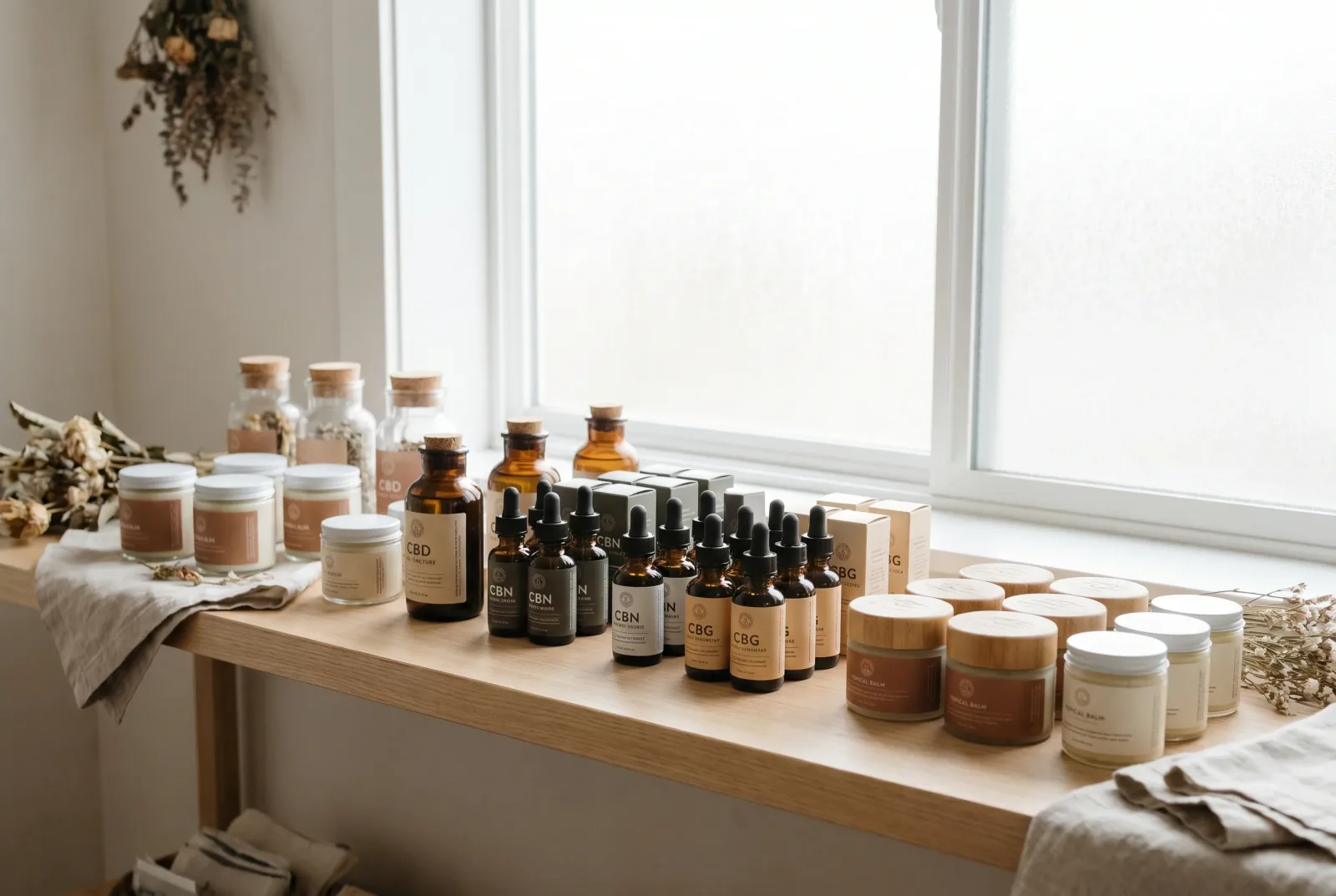
So what survives? CBD isolate, broad-spectrum CBD with verified non-detectable THC, and minor-cannabinoid products like CBN and CBG, as long as each one tests under 0.4mg total THC per container. Topicals formulated below the threshold stay. Functional mushroom products and glass accessories are not cannabinoid products at all, so the hemp rules never touched them.
Is It Still Legal to Buy and Use Hemp Right Now?
Yes. Products that meet today's hemp definition remain legal to buy and use until December 11, 2026, or until November 12, 2026 for the small group made with cannabinoids the plant cannot naturally produce (Section 2019, enrolled text). A purchase you make today is lawful when you make it. What the law does not do is grandfather it: Section 781 contains no exemption for products bought before the date, so after the date federal law looks at what a product is, not when you bought it.
North Carolina state law adds another layer worth understanding. The UNC School of Government confirmed in January 2026 that "state law in this area has not changed," meaning NC has not passed its own ban on hemp-derived THC (UNC School of Government, 2026). That is still true today, but a state crackdown bill is pending.
North Carolina status, October 10, 2026: HB 328, the state hemp crackdown, passed the Senate in July but still awaits a House vote, which can come in the reconvened sessions between October 26 and December 18. Today North Carolina sets no minimum age for hemp products, though many shops card at 21. Details in our NC hemp bill tracker.
That said, federal classification still matters. Once a product loses hemp status, the practical fallout reaches banking, shipping, and payment processing, which is why online ordering of affected products tends to dry up before the in-store supply does. For now, though, you can shop as usual. If you want to understand the legal framework in more depth, our hemp versus marijuana explainer breaks down how NC treats each.
Will You Get in Trouble for Owning Hemp After the Deadline?
This is the question that keeps shoppers up at night, and the honest answer is that nobody knows yet how enforcement will look. After December 11, 2026, a product that no longer meets the hemp definition is treated as marijuana under federal law no matter when you bought it, because Section 781 has no grandfather clause. The Congressional Research Service notes such products "could be subject to the same criminal and collateral issues as marijuana," and that "it remains unclear if and how federal law enforcement will enforce the new prohibitions" (CRS, 2025).
To be clear, this is general information, not legal advice. If you have a specific concern, talk to a North Carolina attorney. What you can take to the bank is the distinction between the two legal systems at play. Federal law reclassifies the products, while NC state law, as the UNC School of Government noted, "has not changed" (UNC School of Government, 2026).
Here is the single most useful thing to understand, and the part almost every news story gets fuzzy on. The 0.4mg limit is per container. Not per serving. Not per dose. If you own a bottle of gummies with 100mg of total THC across 10 pieces, the entire bottle is 250 times over the threshold that defines legal hemp after the deadline. That reframing, rather than any scare headline, is what tells you which of your products the law actually reaches.
Should You Stock Up Before December 2026?
Stocking up is a personal call, not a clear yes or no, and the smart version weighs three things: whether you can legally keep what you already own, how long the product stays good, and the risk of buying from shops dumping inventory near the deadline. Panic-buying a year's supply rarely pays off.
Shelf life is the practical limit. Flower dries out and degrades over months, edibles lose potency and texture, and vape hardware can leak or oxidize. A modest amount of a product you use regularly may make sense. A garage full of THCa flower you can't consume before it turns to dust doesn't.
Be cautious about late-year clearance events. As the deadline nears, some sellers will discount aggressively to clear non-compliant stock, and quality control tends to slip when a product is on its way out the door. If you do buy, buy from shops that still show you a current certificate of analysis. Our guide to reading a COA walks through exactly what to check.
What Should NC Shoppers Buy Instead?
The compliant lineup is smaller but real, and it centers on cannabinoids that already test below the new thresholds: CBD isolate and broad-spectrum CBD, CBN for sleep, CBG for focus, and topicals formulated under the limit. These categories survive the December 11 cutoff as long as each product tests under the cap, and they are already on Triangle shelves today.
Verifying compliance is straightforward once you know the cue. Ask the budtender for a certificate of analysis that reports total THC, and look for "total THC per container" on the label rather than a delta-9-only number. If a product only lists delta-9 THC, that paperwork is no longer enough under the new standard. A compliant product will show total THC at or below the 0.4mg-per-container threshold.
There is even a regulatory tailwind here. On December 18, 2025, an executive order directed officials to work with Congress so Americans can "benefit from access to appropriate full-spectrum CBD products" (White House, 2025). That signals CBD is the category with the most stable future. To pick the right type for you, our CBD oil guide for NC compares isolate, broad-spectrum, and full-spectrum. When you are ready to buy, the Triangle dispensary directory shows which shops carry compliant lines.
Could the December 2026 Deadline Be Delayed?
Partly, yes, and it is now law. Congress passed a partial delay in Section 2019 of H.R. 6500, clearing the Senate 90-6 on August 8, 2026, with the House agreeing to the Senate's version 370-48 on September 1, 2026, and the President signed it on September 2, 2026 as Public Law 119-103 (govinfo bill status). It keeps only the narrowest piece of the new definition on November 12, 2026 and moves the rest, including the 0.4mg per container cap, to December 11, 2026. A broader two-year delay has not passed, so the responsible move is to plan around whichever of the two dates applies to what you buy. December 11 is also the day that stopgap funding law runs out, so Congress could move the date again in its next funding bill; as of October 10, 2026, it has not. Our NC hemp bill tracker has the current status.
The most direct effort is the Hemp Planting Predictability Act (H.R. 7024), introduced January 13, 2026, by Representative Jim Baird (R-IN) with bipartisan co-sponsors including Angie Craig (D-MN) and Tim Moore (R-NC) (Congress.gov, 2026). It would delay the new hemp definition by two years, pushing the effective date to November 12, 2028. The bill was referred to the House Committee on Agriculture and has not passed.
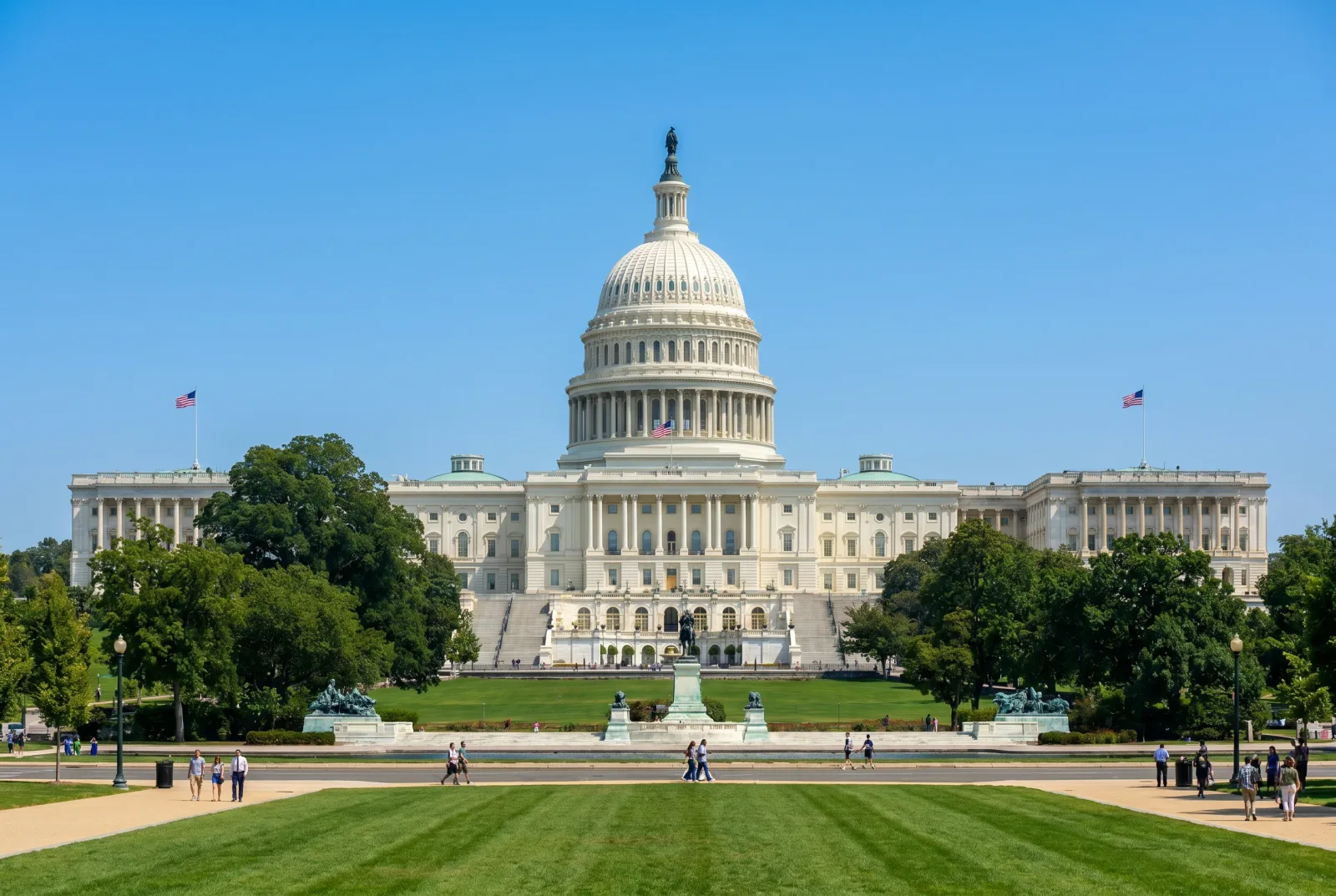
On the other side of the Capitol, a bipartisan group of senators has pushed to delay the ban while lawmakers weigh regulating intoxicating hemp instead of prohibiting it (Marijuana Moment, 2026). At the state level, North Carolina is weighing its own path forward, and the Governor's Advisory Council on Cannabis recommended a regulated adult-use market in its April 2026 interim report, a separate track we cover in our NC marijuana legalization update. None of these moving pieces changes the math today: unless Congress changes it again, December 11 stands.
Frequently Asked Questions
Is THCa flower going to be illegal after December 2026?
Yes. THCa flower typically tests at 20 to 30 percent THCa, which converts to roughly 60 to 90 times the new 0.3 percent total-THC limit (Frier Levitt, 2026). Once P.L. 119-37 takes effect on December 11, 2026, it loses hemp status under federal law.
Can I still buy delta-8 in NC after the deadline?
No. The old rule measured only delta-9 THC, which let delta-8 products qualify as hemp. The new definition counts total THC, including delta-8, so these products exceed the federal limit and cannot be legally sold after December 11, 2026. Delta-8 made from CBD is also caught by the new exclusion for cannabinoids synthesized outside the plant, which starts the same day (Congressional Research Service, 2025).
Will CBD still be legal?
Yes, with conditions. CBD isolate and broad-spectrum CBD with verified non-detectable THC stay compliant. The catch is full-spectrum CBD: roughly 90 percent of current products exceed the 0.4mg total-THC-per-container cap and need reformulation (Frier Levitt, 2026). Check the COA for total THC.
Is it illegal to possess hemp products I bought before the deadline?
Buying them before the deadline is lawful, but the law has no grandfather clause. After December 11, 2026, a product that no longer meets the federal hemp definition is treated as marijuana under federal law regardless of when you bought it, and the Congressional Research Service notes it is unclear how actively agencies will enforce against individuals (CRS, 2025). Federal classification of the products changes while NC state law "has not changed" (UNC School of Government, 2026). For your specific situation, consult an attorney.
Could the deadline get pushed back?
It already has been, once: P.L. 119-103 moved most of the rule from November 12 to December 11, 2026. Beyond that, the Hemp Planting Predictability Act would delay the new rules to November 2028, and a bipartisan group of senators has pushed for a delay while considering regulation over prohibition (Marijuana Moment, 2026). As of October 10, 2026, neither has passed, so plan around the December 11, 2026 date. That is also the day the current stopgap funding law expires, so watch the next funding bill.
Where can I find compliant hemp products in the Triangle?
Browse the Raleigh Dispensaries directory to find Triangle shops, then ask staff for products with a total-THC certificate of analysis at or below the 0.4mg-per-container limit. Many shops already stock CBD, CBN, and CBG lines that meet the new standard.
The Bottom Line for NC Shoppers
P.L. 119-37 is a real change, but it is a manageable one if you understand what it actually does. Here is what to remember:
- The main deadline is December 11, 2026 (a narrow piece starts November 12), and roughly 95 percent of current hemp products are affected (Frier Levitt, 2026).
- THCa flower, delta-8, and standard THC edibles go away. CBD isolate, broad-spectrum CBD, and CBN or CBG products that test under the cap stay.
- Products are legal to buy and use until the date that applies to them, but there is no grandfather clause for what you already own.
- Plan around December 11, 2026, and treat any further delay as a bonus.
The smart move is to plan, not panic. Start trying compliant CBD, CBN, and CBG products now so you know what works for you before the shelves change. When you are ready, the Triangle dispensary directory shows which local shops carry compliant lines, and our NC hemp law update tracks developments as the deadline approaches.