CBD & THC for Anxiety: What NC Consumers Should Know

This article is for informational purposes only and does not constitute legal, medical, or product advice. Consult a qualified professional for guidance specific to your situation.
Anxiety disorders are among the most common mental health conditions in the U.S.: an estimated 19.1% of adults have one in a given year (NIMH). An increasing number of those adults are turning to hemp products for relief. In a 2024 University of Colorado Boulder trial, every group reported less anxiety over four weeks, including people who used no cannabis, but the group using CBD-dominant flower improved most and reported less paranoia than the THC groups (CU Boulder, 2024).
But the relationship between cannabinoids and anxiety isn't straightforward. CBD and THC work through entirely different mechanisms, and THC in particular has a biphasic effect: it can calm you down at low doses and trigger panic at high ones. North Carolina consumers have access to both through legal hemp products, but choosing the wrong product or dose can make anxiety worse, not better.
This guide breaks down what clinical research actually shows, which cannabinoids and doses are supported by evidence, and which products to look for at Triangle dispensaries.
Early research suggests CBD may ease anxiety without producing a high, but the trials are small and researchers urge caution. In a 2024 CU Boulder study, people using CBD-dominant flower improved most, though every group improved. THC has a biphasic effect: in one lab study 7.5mg eased stress while 12.5mg worsened mood. For NC consumers, low-dose Delta-9 gummies (2.5-5mg) or CBD oil tinctures are the most cautious starting points. Always start low, and talk to your doctor if you take SSRIs or other medications.
How Common Is Anxiety, and Why Are People Turning to Hemp?
Anxiety disorders affect 19.1% of U.S. adults in any given year, and an estimated 31.1% of adults experience an anxiety disorder at some point in their lives, according to national survey data reported by NIMH. In North Carolina, about 1 in 7 adults (14.7%) report frequent mental distress (America's Health Rankings, 2024).
Despite these numbers, fewer than 37% of people with anxiety disorders receive treatment (ADAA, 2023). The gap between prevalence and treatment is one reason so many people are exploring hemp-derived cannabinoids as an alternative or supplement to conventional approaches.
A 2017 review of medical cannabis research found that mental health conditions such as anxiety are among the most common reasons patients give for using it (Walsh et al., Clinical Psychology Review, 2017). A 2022 Pew Research Center survey found that 88% of U.S. adults say marijuana should be legal at least for medical use (Pew Research Center, 2022), reflecting broad acceptance of cannabis-based wellness approaches.
The appeal is understandable. SSRIs and benzodiazepines come with well-documented side effects (weight gain, sexual dysfunction, dependency risk), and many people prefer a more natural approach. But "natural" doesn't automatically mean safe or effective, which is why understanding the research matters.
What Does the Research Say About CBD for Anxiety?
A 2024 meta-analysis of 8 studies (316 participants) published in Psychiatry Research found that CBD produced a large effect on reducing anxiety, with a Hedges' g of -0.92 (Han et al., Psychiatry Research, 2024). The confidence interval was wide (-1.80 to -0.04), and the authors caution that the evidence rests on small samples, so treat it as promising rather than settled.
The landmark study that put CBD and anxiety on the map was a 2011 Brazilian trial using a simulated public speaking test. Participants with social anxiety disorder who received 600mg of CBD beforehand showed significantly reduced anxiety, cognitive impairment, and discomfort compared to the placebo group (Bergamaschi et al., Neuropsychopharmacology, 2011).
How might it work? Unlike THC, CBD binds only weakly to CB1 receptors in the brain; researchers believe part of its effect runs through serotonin 5-HT1A receptors (PMC Review, 2020). That weak CB1 activity is why CBD does not produce a high or the cognitive impairment associated with THC.
The CU Boulder study in 2024 was notable because it compared real-world use of legal cannabis flower (not lab-administered doses) over four weeks in 300 randomized participants. All four groups reported reduced anxiety, including the group that used no cannabis, but the CBD-dominant group showed the most improvement and reported less paranoia than the THC-dominant groups (CU Boulder, 2024).
For a deeper look at CBD products, types, and how to choose between full-spectrum, broad-spectrum, and isolate, see our CBD oil guide for NC consumers.
What About THC for Anxiety?
Here's where it gets complicated. THC has a well-documented biphasic relationship with anxiety: low doses tend to reduce it, while high doses can trigger or worsen it.
A 2017 study by University of Chicago researchers, in 42 healthy young adults, illustrated this. Participants who received 7.5mg of THC reported less distress after a stressful task, while those who received 12.5mg reported more negative mood (Childs et al., Drug and Alcohol Dependence, 2017). The difference between a calming dose and an anxiety-inducing one was just 5mg.
A separate study of 26 people found that cannabis containing balanced concentrations of THC and CBD induced less state anxiety than THC-dominant cannabis (Hutten et al., Psychopharmacology, 2022). In other words, CBD may buffer some of THC's anxiety-producing effects. Two caveats matter for this audience: the combination still raised anxiety compared with placebo, and in people with high baseline anxiety, CBD did not counteract THC-induced anxiety.
What does this mean practically? If you're anxiety-prone, high-THCa flower (which converts to 20-30% THC when smoked) is risky. A single hit can deliver far more than the 7.5mg dose that eased stress in the lab study above. Low-dose Delta-9 gummies (2.5-5mg per serving) offer far more precise control and are a safer starting point for anxiety management.
CBD vs THC: Which Is Better for Anxiety?
For most people with anxiety, CBD is the safer option to try first. Its evidence is early but more consistent than THC's, the side effect profile is milder, and there's no risk of the biphasic anxiety spike that THC can cause.
That said, the emerging evidence on CBD:THC combinations is interesting. The 2022 Hutten study showed that balanced THC:CBD cannabis caused less anxiety than THC alone, though not in people who started out highly anxious. Some consumers report that a small amount of THC (1-2.5mg) combined with a larger amount of CBD (25-50mg) provides better relief than either alone. This "entourage effect" theory suggests the compounds work synergistically.
Here is how CBD and THC compare on the factors that matter most for anxiety:
| Factor | CBD | THC (Low Dose) | THC (High Dose) |
|---|---|---|---|
| Anxiety reduction | Promising but limited (small trials) | Limited (lab studies in healthy adults) | May worsen anxiety |
| Produces a high | No | Mild | Yes |
| Side effects | Mild (dry mouth, drowsiness) | Mild at low dose | Paranoia, racing heart |
| Dependency risk | None documented | Low at microdoses | Moderate with regular use |
| Onset (sublingual) | 15-30 minutes | 30-90 minutes (edible) | 30-90 minutes (edible) |
| Clinical evidence | Small RCTs; 2024 meta-analysis urges caution | Limited | Associated with worse outcomes |
| Best for | Generalized anxiety, social anxiety, daily use | Situational stress, evening relaxation | Not recommended for anxiety |
How to Dose CBD and THC for Anxiety
Dosing is where most people go wrong. The clinical literature provides some guidance, but individual responses vary significantly based on body weight, metabolism, tolerance, and the specific type of anxiety.
CBD Dosing
Controlled studies on anxiety mostly used single doses of 300 to 600mg, such as the 600mg dose in the 2011 public speaking study. There is little trial evidence on the 25 to 75mg daily doses most retail products provide, so any lower-dose routine is a personal experiment rather than an evidence-based regimen.
If you try it, start low, around 25mg per day, taken with food (fat improves absorption), and use it consistently for at least 2 weeks before judging effectiveness. If you don't notice improvement, increase by 10-25mg per week. Some people find relief at 25mg; others need 100mg or more. Our CBD oil guide covers the three CBD types (full-spectrum, broad-spectrum, isolate) and which is best for anxiety.
THC Dosing for Anxiety
If you want to try THC for anxiety, keep the dose low. In the University of Chicago study, 7.5mg eased stress and 12.5mg worsened mood; the lower steps below are common starting points rather than tested doses:
- 2.5mg: Threshold dose. Minimal perceptible effect. Good starting point.
- 5mg: Standard low dose. Most people feel mild relaxation without impairment.
- 7.5mg: Upper end of the anxiety-reducing range. Effects are noticeable.
- 10mg+: Risk of increased anxiety begins. Not recommended for anxiety-prone individuals.
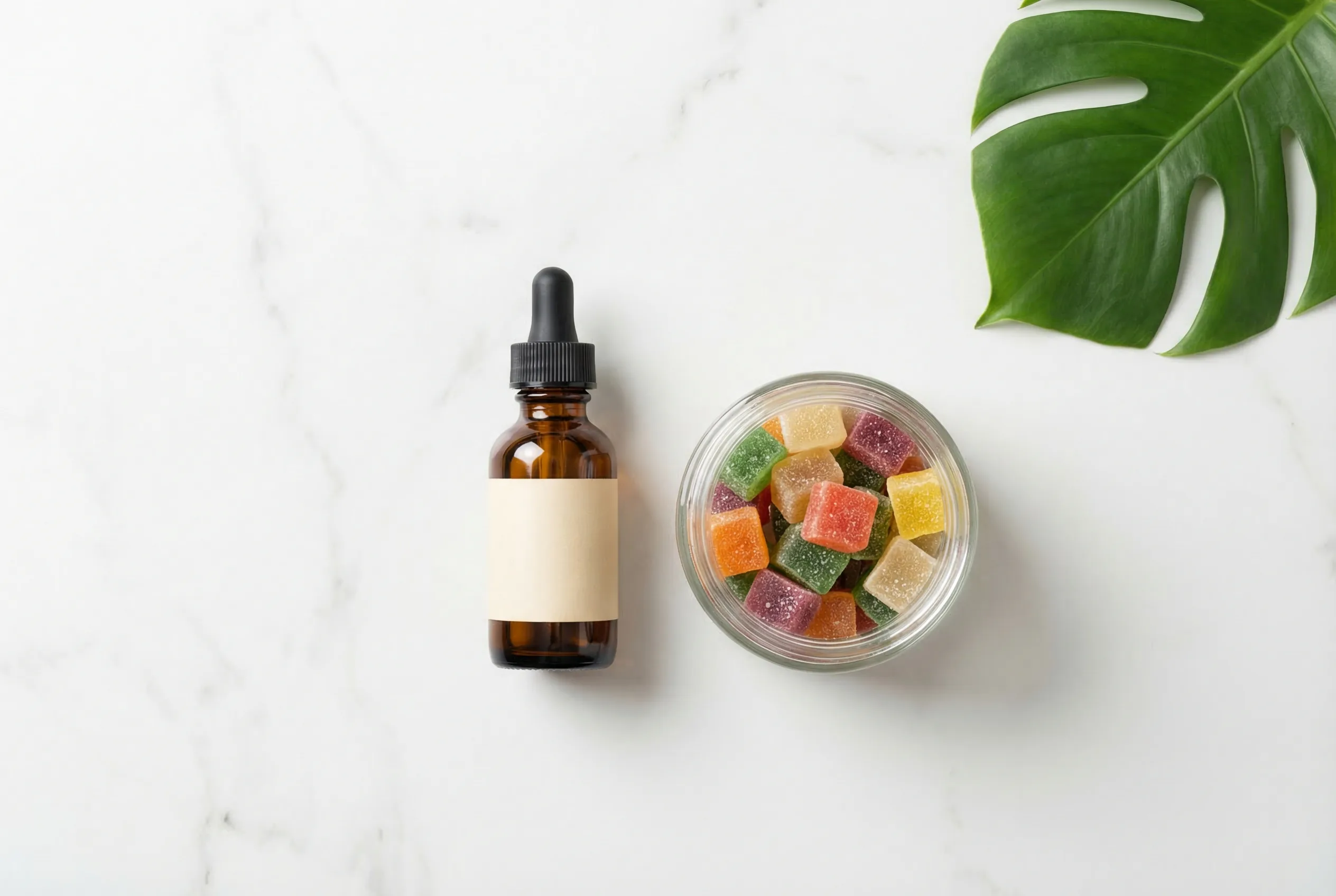
Delta-9 gummies are the best delivery method for precise THC dosing because each gummy contains a measured amount. Flower and vapes make it nearly impossible to control your dose with this precision. For more on how edibles work and how to dose them safely, see our edibles guide.
Delivery Method Matters
The way you consume cannabinoids affects both onset time and how your body processes them.
- Sublingual CBD oil: 15-30 minute onset, 4-6 hours duration. Best for daily maintenance.
- Edibles/gummies: 30-90 minute onset, 4-8 hours. Best for precise THC dosing and evening use.
- Vaping: 1-5 minute onset, 1-3 hours. Fastest relief for acute anxiety episodes, but shortest duration. See our vapes guide for safety considerations.
- Topicals: No systemic absorption, so no anxiety effects. Useful only for localized pain.
Which Products Should NC Consumers Try for Anxiety?
Hemp-derived CBD and THC products sold at North Carolina dispensaries are legal today under the 2018 Farm Bill and NC SB 455. No medical card is required, and North Carolina sets no minimum age for hemp, though shops card at 21 as store policy. Here's what to look for specifically for anxiety.
Update, October 10, 2026: The federal hemp deadline referenced below has shifted. H.R. 6500 became Public Law 119-103 on September 2, 2026, and its Section 2019 delays most of the new hemp definition, including the 0.4mg per container THC cap and the total-THC test that counts THCa, to December 11, 2026. A narrow piece covering cannabinoids the plant cannot naturally produce still begins November 12, 2026. Still current as of this update. Track it in our NC hemp bill tracker.
North Carolina status, October 10, 2026: HB 328, the state hemp crackdown, passed the Senate in July but still awaits a House vote, which can come in the reconvened sessions between October 26 and December 18. Today North Carolina sets no minimum age for hemp products, though many shops card at 21. Details in our NC hemp bill tracker.
Best Starting Points
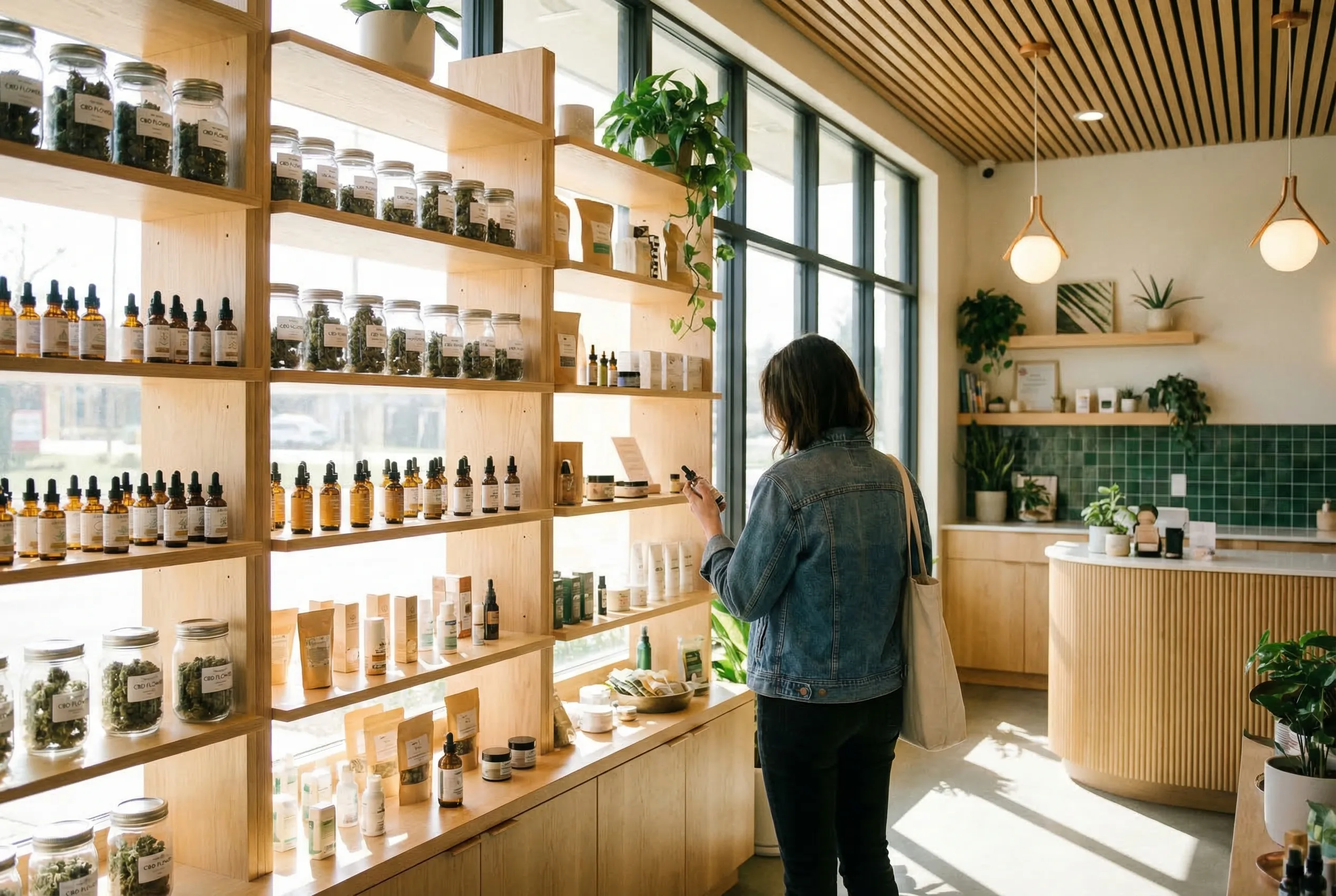
CBD oil tinctures (25-50mg/serving): The most versatile option, since you can adjust the dose drop by drop. Look for full-spectrum products if you want the entourage effect, or broad-spectrum/isolate if you want to avoid any THC. Most Triangle dispensaries carry multiple CBD oil brands. Browse shops on our dispensary directory.
Low-dose Delta-9 gummies (2.5-5mg/serving): For people who want to try THC for anxiety, these offer the most precise dosing. Under today's 0.3% dry-weight rule, a 4-gram gummy can legally contain up to 12mg of Delta-9 THC, but look for products specifically marketed at the 2.5mg or 5mg level. That rule changes on December 11, 2026, when a 0.4mg total THC per container cap takes effect federally. Check the edibles product page for shops that carry them.
1:1 CBD:THC products: Some dispensaries carry balanced-ratio tinctures or gummies. Early research suggests CBD may soften THC's anxiety-producing effects, though not reliably for people with high baseline anxiety.
What to Avoid for Anxiety
High-THCa flower: THCa flower converts to 20-30% THC when smoked. That's well above the anxiety-safe dosing range, and flower makes it impossible to control your intake precisely. If you already enjoy flower without anxiety issues, this doesn't apply to you. But if anxiety is the condition you're trying to treat, flower is the wrong tool.
High-dose edibles: A 25mg gummy is a large dose even for experienced consumers. For anxiety management, stick to 2.5-5mg and resist the temptation to take more before the first dose kicks in (which can take 90 minutes).
Unverified products: Always check for a Certificate of Analysis (COA). Our guide on how to read a COA explains what to look for. Unlabeled THC content in a supposedly "CBD-only" product can trigger exactly the anxiety you're trying to avoid.
Drug Interactions and Safety Considerations
CBD is generally well-tolerated, but it's not side-effect-free, and it interacts with several common medications. This section is especially important if you're already taking anxiety medication.
CBD Drug Interactions
CBD inhibits the CYP3A4 and CYP2C19 liver enzymes, which are responsible for metabolizing many common medications. This means CBD can increase the blood levels of:
- SSRIs (sertraline, fluoxetine, escitalopram): Potentially amplifying both effects and side effects
- Benzodiazepines (alprazolam, diazepam, lorazepam): Risk of excessive sedation
- Blood thinners (warfarin): CBD may increase bleeding risk
- Some anticonvulsants (clobazam): Well-documented interaction from Epidiolex research
If you take any of these medications, talk to your doctor before using CBD. The interaction isn't necessarily dangerous, but your medication doses may need adjustment.
General Safety
- Start with CBD alone before trying THC
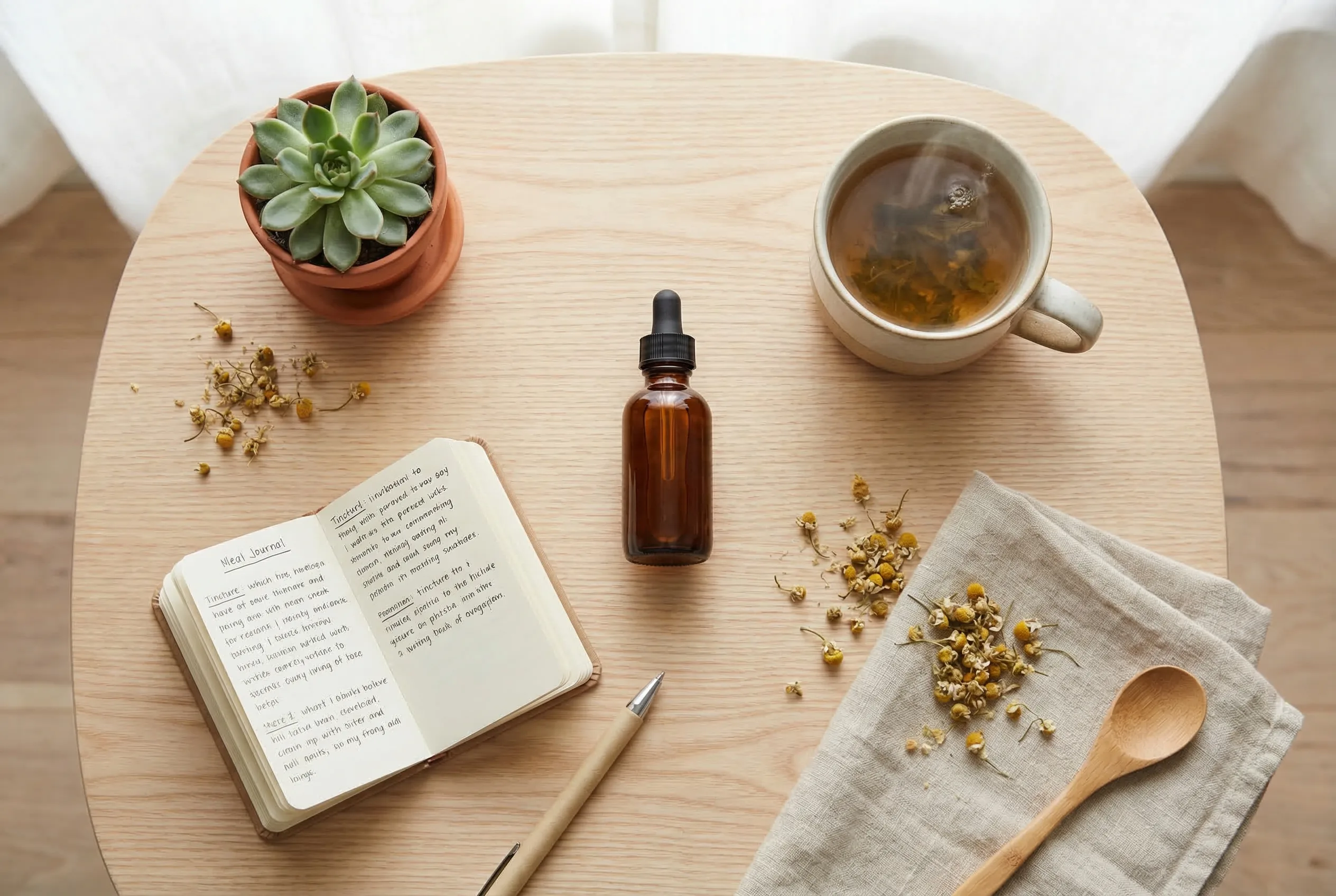
- Keep a journal of dose, timing, and anxiety levels for the first 2 weeks
- Don't combine cannabis products with alcohol, which amplifies both THC effects and anxiety risk
- Hemp products that contain THC, including full-spectrum CBD, can cause you to fail a drug test
This guide is not medical advice. If you have a diagnosed anxiety disorder, work with your healthcare provider to develop a treatment plan that may or may not include cannabinoids.
Frequently Asked Questions
Does CBD actually help with anxiety?
Possibly, but the evidence is still early. A 2024 meta-analysis of 8 studies (316 participants) in Psychiatry Research found a large effect of CBD on anxiety but urged caution because the samples were small (Han et al., 2024). Researchers believe part of CBD's effect runs through serotonin 5-HT1A receptors. Most controlled studies used single doses of 300-600mg, far above typical retail servings.
Is THC or CBD better for anxiety?
CBD is the more cautious choice. In a 2024 University of Colorado Boulder study, every group reported less anxiety over four weeks, but people using CBD-dominant flower improved most and reported less paranoia than the THC groups. Low-dose THC may help some people, but in one lab study 12.5mg worsened mood, so higher doses risk making anxiety worse.
How much CBD should I take for anxiety?
There is no proven daily dose. Controlled studies mostly used single doses of 300 to 600mg, and there is little trial evidence on the 25 to 75mg daily doses most retail products provide. If you try it, start low (around 25mg a day, with food) and use it consistently for at least 2 weeks before increasing the dose. Everyone responds differently based on body weight and metabolism.
Can I take CBD with my anxiety medication?
CBD can interact with SSRIs, benzodiazepines, and other medications by inhibiting the CYP3A4 and CYP2C19 liver enzymes. This doesn't mean you can't use both, but you should consult your doctor first. Your medication doses may need adjustment to account for the interaction.
Will hemp products for anxiety show up on a drug test?
Any product containing THC (including full-spectrum CBD oil, Delta-9 gummies, and THCa flower) can trigger a positive drug test. CBD isolate and broad-spectrum CBD products should not, but mislabeling is common. See our full guide on hemp products and drug tests for detection windows and legal protections.
Are CBD and THC products for anxiety legal in North Carolina?
Yes, today. Hemp-derived CBD and THC products containing no more than 0.3% Delta-9 THC by dry weight are legal in NC under the 2018 Farm Bill and SB 455. No medical card is required. However, P.L. 119-37 caps finished hemp products at 0.4mg of total THC per container, which nearly every Delta-9 gummy on the shelf today exceeds. That cap takes effect December 11, 2026. In North Carolina, HB 328, which still awaits a House vote, would add a similar state cap.
The Bottom Line
- CBD's evidence for anxiety is early and based on small trials, but it is more consistent than THC's and doesn't produce a high
- THC has a biphasic effect: in one lab study 7.5mg eased stress while 12.5mg worsened mood
- Start with CBD oil (25mg/day) or low-dose Delta-9 gummies (2.5mg) and increase slowly
- CBD:THC combinations may work better than either alone based on emerging research
- Talk to your doctor before using CBD if you take SSRIs, benzodiazepines, or blood thinners
- Always buy tested products with a COA from a reputable dispensary
Ready to explore CBD and low-dose THC options? Browse 80+ verified dispensaries across Raleigh, Durham, Chapel Hill, and the Triangle to find shops that carry anxiety-friendly products.
These statements have not been evaluated by the Food and Drug Administration. Hemp products are not intended to diagnose, treat, cure, or prevent any disease. Nothing on this site is medical advice; talk to a clinician.