🎧 Listen to this article
Table of Contents
- What Do Cannabis Labs Test For? A Comprehensive Breakdown
- Potency: More Than Just THC
- Terpene Profile Analysis
- Safety Screenings: Protecting Consumers from Harmful Contaminants
- How Are Dispensary Products Tested? A Look Inside the Process
- Sample Collection and Chain of Custody
- Advanced Analytical Methods
- The Certificate of Analysis (COA): Your Proof of Testing
- The Regulatory Landscape: US Cannabis Safety Testing Standards
- The Final Verdict: Is US Dispensary Cannabis Safe?
- Empowering Your Purchase with Knowledge
The question, ‘Is US dispensary cannabis safe?’ is a primary concern for both new and experienced consumers. The definitive answer is a resounding yes, thanks to a comprehensive system of third-party cannabis lab testing. This rigorous process is the cornerstone of the legal cannabis market, ensuring that every product on a dispensary shelf is potent, pure, and, most importantly, free from harmful contaminants. A robust framework of US cannabis testing regulations governs this entire system, providing a safety net that protects consumers and legitimizes the industry.
This mandated testing goes far beyond just measuring THC content. It’s a multi-faceted analysis that scrutinizes products for a wide array of substances, guaranteeing transparency and safety from seed to sale. For consumers, this means peace of mind and the ability to make informed decisions about the products they choose.
What Do Cannabis Labs Test For? A Comprehensive Breakdown
When a product undergoes testing, it’s analyzed for a complete profile of quality and safety markers. This ensures that what’s on the label is in the package and that the product is clean and safe for consumption.
Potency: More Than Just THC
Testing cannabis potency is about understanding the full chemical makeup of a product. While cannabis THC testing is crucial for determining a product’s psychoactive effects and ensuring accurate dosage, labs also look for a full spectrum of cannabinoids. This includes well-known compounds like CBD as well as minor cannabinoids like CBG (Cannabigerol) and CBN (Cannabinol), each with its own potential effects. For example, understanding the product’s full cannabinoid profile is essential whether you’re interested in the raw cannabinoid THCa, which you can learn more about in this guide on What is THCa? Unveiling the Precursor to THC, or its activated form, THC.
Terpene Profile Analysis
A key part of cannabis product quality testing is the analysis of terpenes. These aromatic compounds are responsible for the distinct scent and flavor of different cannabis strains, from earthy and piney to citrusy and floral. More than just aroma, terpenes also play a role in the entourage effect, potentially influencing the overall experience and effects of a product.
Safety Screenings: Protecting Consumers from Harmful Contaminants
The most critical function of lab testing is to screen for potentially hazardous substances. This multi-step process ensures products are free from a range of contaminants that could pose health risks.
Pesticide Testing
Cannabis plants can be susceptible to pests, but the use of pesticides can leave behind harmful chemical residues. Labs test for dozens of specific pesticides to ensure the final product, whether it’s flower or a processed item like THCa Concentrates Shatter, Wax, Live Resin Delivery, meets strict safety thresholds.
Heavy Metal Analysis
Cannabis is a bioaccumulator, meaning it can absorb substances from its growing environment, including the soil and water. Testing screens for dangerous heavy metals like lead, mercury, arsenic, and cadmium, which can be toxic if ingested.
Microbial Contamination
Labs test for a variety of microbial contaminants to ensure the product is clean. This includes screening for molds, mildew, and harmful bacteria such as E. coli and Salmonella, which can cause serious illness.
Mycotoxin Screening
Certain types of molds and fungi can produce toxic secondary metabolites called mycotoxins. These substances can be very dangerous if inhaled or ingested, making mycotoxin screening a vital safety check.
Residual Solvents
This test is especially important for cannabis extracts and concentrates. The extraction process can involve solvents like butane, propane, or ethanol. Labs test to ensure these solvents have been properly purged and that no harmful residues remain in the final product.
| Contaminant Class | Examples | Why It’s Tested |
|---|---|---|
| Pesticides | Myclobutanil, Bifenazate | To prevent consumption of harmful agricultural chemicals. |
| Heavy Metals | Lead, Arsenic, Cadmium | To ensure no toxic metals are absorbed from the soil or water. |
| Microbials | E. coli, Salmonella, Aspergillus | To protect against bacterial infections and mold-related illnesses. |
| Mycotoxins | Aflatoxins, Ochratoxin | To screen for toxic substances produced by certain fungi. |
| Residual Solvents | Butane, Ethanol, Propane | To guarantee no harmful chemicals from the extraction process remain. |

How Are Dispensary Products Tested? A Look Inside the Process
The journey from a cannabis harvest to a lab-verified product is meticulous and controlled, ensuring the integrity of the testing process at every stage.
Sample Collection and Chain of Custody
It all starts with a state-licensed sampler visiting the cultivation or production facility to collect a representative sample from a specific batch. A cannabis testing laboratory follows strict chain-of-custody protocols, meticulously documenting the sample’s handling from collection to testing to prevent any tampering or contamination.
Advanced Analytical Methods
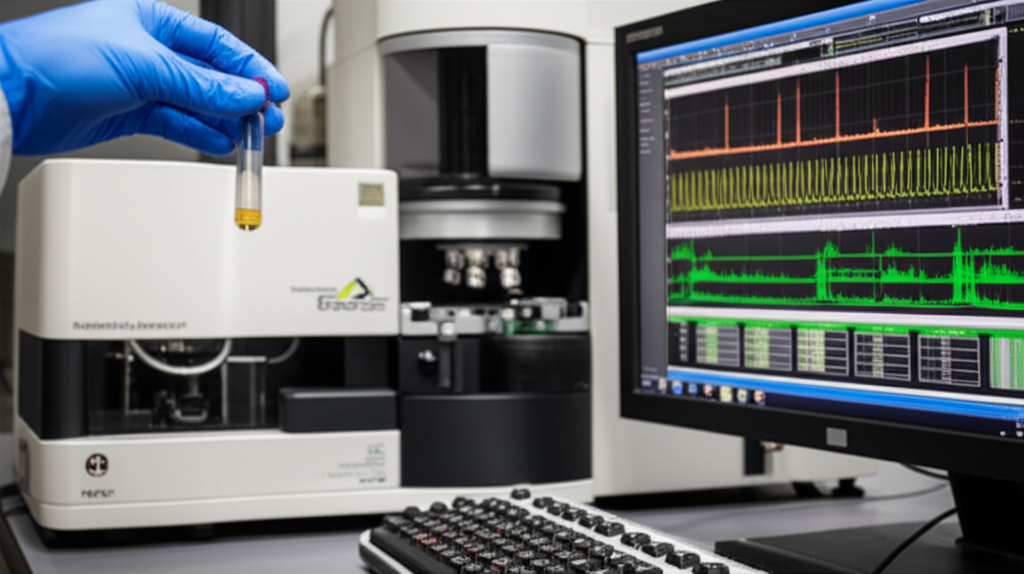
Once at the lab, scientists use highly sophisticated analytical instruments to perform the tests. Techniques like High-Performance Liquid Chromatography (HPLC) are commonly used for potency testing, while various forms of Mass Spectrometry (MS) are employed to detect trace amounts of pesticides, heavy metals, and residual solvents with extreme accuracy.
The Certificate of Analysis (COA): Your Proof of Testing
The final result of this process is the Certificate of Analysis, or COA. This document is a detailed report that shows the results of all the tests performed on a product batch. Consumers can typically access the COA for a specific product by scanning a QR code on the packaging, allowing them to verify its potency, terpene profile, and safety screenings for themselves.
The Regulatory Landscape: US Cannabis Safety Testing Standards
It is crucial to understand that US cannabis testing regulations are not federally mandated. Instead, each state with a legal cannabis program establishes its own set of rules and cannabis safety testing standards.
This results in a varied regulatory landscape. States like California and Colorado are known for having some of the most stringent and comprehensive testing requirements in the country. Other states may have less rigorous panels, but all legal markets require, at a minimum, testing for potency and contaminants. No matter the state, all legal dispensaries must comply with their jurisdiction’s specific testing laws. This patchwork of regulations underscores the importance of knowing local laws, such as understanding if Weed is Legal in Raleigh and what rules apply.
The Final Verdict: Is US Dispensary Cannabis Safe?
Yes, cannabis purchased from a licensed US dispensary is subject to a rigorous testing system designed to ensure it is safe for consumption. When you buy from a legal source, you are buying a product that has been screened for a wide array of harmful contaminants, from pesticides to heavy metals to mold.
This stands in stark contrast to the illicit market, where products receive no testing and often contain dangerous contaminants, incorrect potency labeling, or unlisted additives. The entire framework of cannabis lab testing in the legal market exists for the sole purpose of consumer protection.
Empowering Your Purchase with Knowledge
The comprehensive testing of dispensary products provides a critical safety net. The analysis of potency, terpenes, and a full panel of contaminants gives you the power to know exactly what you’re consuming.
To ensure you always purchase safe, tested products, your best course of action is to buy from state-licensed retailers. Whether you are looking for Raleigh, NC Medical Marijuana Dispensaries and Delivery or a shop in another legal state, a licensed establishment is your guarantee of quality. Always ask the budtender for the COA or use the on-package QR code to review the test results for any product you consider, be it a flower, vape, or one of the many THCa Edibles Weed: Delivery | Gummies, Mints, Syrup options available.